Organic sesame seeds with a delicate nutty flavour and satisfying crunch. High in fibre and naturally containing minerals, omega-3 and omega-6 fatty acids and B-group vitamins.
🌱 100% sesame seeds
🌾 High in fibre
✨ Naturally contains minerals
🥄 Ideal for homemade tahini
🌿 Organic
Small, crunchy and intensely versatile, sesame seeds can add flavour and texture to almost any meal.
Smart Organic Sesame Seeds have a delicate nutty taste that becomes deeper and more aromatic when lightly toasted. Sprinkle them over salads, vegetables, rice or noodles, mix them into bread and crackers or grind them into a creamy homemade tahini.
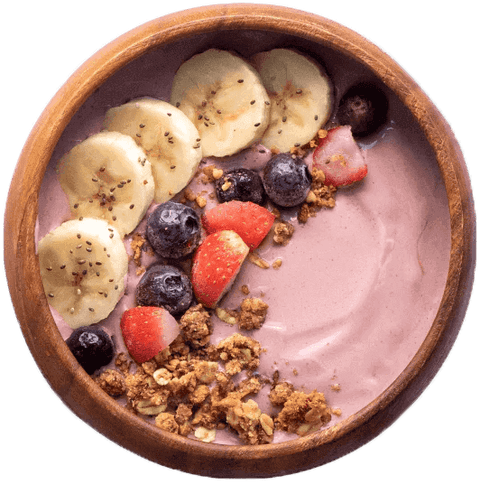
They work just as well in sweet recipes. Add them to biscuits, granola, breakfast bowls or homemade desserts for a subtle . . .
Показване на още >
Small, crunchy and intensely versatile, sesame seeds can add flavour and texture to almost any meal.
Smart Organic Sesame Seeds have a delicate nutty taste that becomes deeper and more aromatic when lightly toasted. Sprinkle them over salads, vegetables, rice or noodles, mix them into bread and crackers or grind them into a creamy homemade tahini.
They work just as well in sweet recipes. Add them to biscuits, granola, breakfast bowls or homemade desserts for a subtle roasted flavour and a pleasant crunch.
Sesame seeds naturally contain minerals such as calcium, iron, magnesium and copper, together with omega-3 and omega-6 fatty acids and B-group vitamins. They also naturally contain antioxidant compounds.
For a creamier texture and more intense sesame flavour, grind the seeds shortly before use. Mixed with a little patience in a food processor, they can become a rich homemade tahini for hummus, dressings, sauces and desserts.
With 12 g fibre per 100 g, the seeds are high in fibre. They also contain 18 g protein per 100 g.
Why choose Smart Organic Sesame Seeds
-
100% organic sesame seeds
-
High in fibre
-
12 g fibre per 100 g
-
18 g protein per 100 g
-
Naturally contains calcium, iron, magnesium and copper
-
Naturally contains omega-3 and omega-6 fatty acids
-
Contains B-group vitamins
-
Naturally contains antioxidant compounds
-
Suitable for sweet and savoury recipes
-
Ideal for homemade tahini
-
250 g pack
Taste and texture
Sesame seeds have a mild, nutty flavour and a pleasantly crunchy texture.
Light toasting intensifies their aroma and gives them a warmer, deeper roasted character.
How to use them
Try them:
-
Over salads
-
Over roasted vegetables
-
With rice
-
Over noodles
-
In bread and crackers
-
In granola
-
In biscuits and desserts
-
In breakfast bowls
-
In homemade tahini
-
In hummus and dressings
Recommended use
For a more intense flavour and a finer texture, grind the seeds shortly before use.
Frequently asked questions
What ingredients do they contain?
Only 100% organic sesame seeds.
Are sesame seeds high in fibre?
Yes. They contain 12 g fibre per 100 g.
How much protein do they contain?
They contain 18 g protein per 100 g.
What minerals does sesame naturally contain?
Sesame naturally contains minerals including calcium, iron, magnesium and copper.
Does sesame naturally contain omega fatty acids?
Yes. Sesame naturally contains omega-3 and omega-6 fatty acids.
Can I make tahini from these seeds?
Yes. Grind them until creamy to prepare homemade sesame tahini.
Should I grind them before eating?
You can eat them whole, but grinding them shortly before use releases more of their flavour and makes them easier to incorporate into recipes.
Where do they come from?
The possible countries of origin are Uganda, India and Ethiopia.
What is the pack size?
The pack contains 250 g.
Показване на по - малко