Adopting a plant-based diet can bring real benefits for your health, the flavors on your plate, and even the environment. Many people choose to reduce or completely eliminate animal products, and interest in vegan and vegetarian diets continues to grow. Sometimes the decision comes from a desire to try new recipes; other times, from concern for personal well-being or animals. Even if it may seem difficult at first to determine which of the two options suits you, with accurate information and practical advice you can find an eating style that supports your lifestyle and taste preferences.
Simple definitions and key differences between veganism and vegetarianism
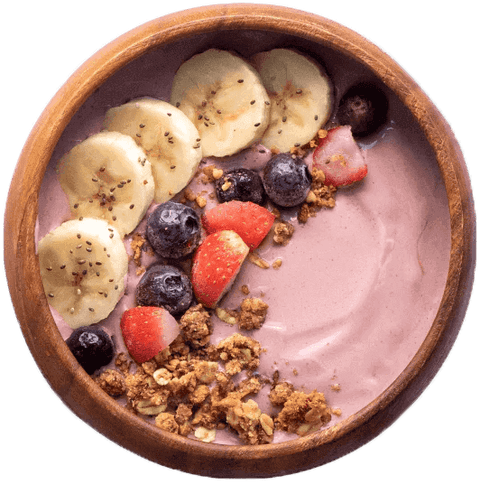
Image source: Shutterstock (alt text: chia pudding with grapefruit, banana, and strawberries, do not publish)
What is vegetarianism?
Vegetarians choose not to consume meat, but they may include eggs, dairy products, or even fish in their diet - depending on the type of diet. Here are the main varieties:
-
Lacto-vegetarians: allow dairy products but avoid eggs.
-
Ovo-vegetarians: consume eggs but no dairy products.
-
Ovo-lacto vegetarians: consume both eggs and dairy products.
-
Pescatarians: consume fish and seafood but no other meat.
-
Flexitarians: primarily follow a vegetarian diet but occasionally consume meat or animal products.
For example, a lacto-vegetarian may have yogurt and cereal for breakfast, lasagna with cheese for lunch, and not eat meat throughout the day.
How do vegans eat?
Vegans give up all products of animal origin. They exclude meat, fish, eggs, dairy products, and often honey from their diet, as well as cosmetics or clothing made with animal ingredients. Their daily menu is based entirely on plants, grains, legumes, nuts, and plant-based alternatives.
Which style suits you?
Each category offers a different degree of flexibility. A young person concerned about the environment may start with a flexitarian diet, then switch to an ovo-lacto-vegetarian or even a vegan diet - depending on their personal experience and values.
Foods allowed in any diet
Vegetarians consume:
-
Fresh or cooked fruits and vegetables
-
Grains and pseudograins: rice, wheat, buckwheat, quinoa
-
Legumes: beans, lentils, peas, chickpeas
-
Seeds and nuts
-
Dairy products (milk chocolate, yogurt, cheese)
-
Eggs (in any form)
-
Fish and seafood (for pescatarians)
-
Soy products such as tofu and tempeh
Vegans enjoy:
-
All of the plant-based foods mentioned above, without animal ingredients
-
Nuts and nut butters
-
Plant-based milks and yogurts
-
Plant-based proteins (seitan, tempeh)
-
Vegan butter and cheese
For a quick breakfast, you can add organic hemp seeds to your bowl of oats. And for an energizing morning drink - organic moringa powder in a smoothie.
Avoid ultra-processed foods
Stores have entire shelves of “vegan” and “vegetarian” products, but not all of them are healthy. Highly processed foods may contain hidden sugar, refined oils, and additives. Read labels and choose products with a short, easy-to-understand ingredient list, with no added sugar.
Practical cooking tips
-
Use fresh and varied ingredients.
-
Combine legumes, grains, and green vegetables at every meal.
-
Substitute: cream with plant-based yogurt, regular milk with an almond-based drink.
-
Keep plant-based oils on hand for quick sandwiches or salad dressings.
Health benefits
A plant-based diet may lead to:
-
Reduced risk of cardiovascular disease
-
Potential weight loss (due to lower calorie content)
-
Improved blood sugar control and prevention of type 2 diabetes (thanks to fiber)
-
Better digestion, stable energy, and improved mood
Example: a meal with lentils or chickpeas provides protein and fiber without animal fats, supporting heart health. A spirulina smoothie can supplement your daily vitamin intake.
Risks and considerations
Both vegans and vegetarians should watch for possible deficiencies:
-
Vitamin B12 - important for the brain and blood
-
Iron - more difficult to absorb from plant sources
-
Calcium, zinc, and Omega-3
How to avoid deficiencies:
-
Eat legumes, seeds, nuts, and superfoods regularly.
-
Use nutritional yeast for B vitamins.
-
Choose fortified plant-based products with calcium and B12.
-
Consume chia seeds, flaxseeds, and walnuts for Omega-3.
-
Have regular checkups and consultations with a nutritionist.
Social challenges
Changing eating habits can spark conversations with family or friends. Organize dinners with new recipes - for example, homemade vegetarian burgers or dairy-free pizza. This way, those around you can discover how delicious plant-based cuisine can be.
Motivations and values
-
Vegans avoid animal suffering and care about the environment.
-
Vegetarians seek a balance between taste, health, and ethics.
-
Flexitarians gradually reduce animal products.
Many people extend this philosophy to cosmetics, clothing, or cleaning products as well - choosing ethical, environmentally friendly options.
Practical tip: small but consistent steps
Write down your favorite recipes or keep a food diary. Talk to people who have experience, follow blogs, and experiment - change will come naturally.
How to choose the right diet
Photo source: Shutterstock (alt. text: bowl of cooked vegetables and lentils for a vegan lunch, not for publication)
Criteria:
-
Overall health: get preventive checkups.
-
Culinary preferences: if a fully plant-based diet is difficult for you, start with vegetarianism.
-
Motivation: if your main priority is the environment or animal welfare – veganism is more suitable.
-
Readiness for change: try both options short-term and observe how you feel.
Sample menus
Photo source: Shutterstock (alt. text: vegan brownies with walnuts on a white plate, not for publication)
Vegan menu for the day
-
Breakfast: oatmeal with almond milk, goji berries, chia seeds, and agave syrup
-
Lunch: lentil curry with basmati rice and avocado salad
-
Afternoon snack: protein shake with cocoa and vanilla + oatmeal cookies
-
Dinner: quinoa and roasted vegetable salad
Vegetarian menu for the day
-
Breakfast: organic yogurt with fruit and oats
-
Lunch: vegetable tart with cheese and arugula salad
-
Afternoon snack: energy bars with fruit and seeds
-
Dinner: mushroom and spinach omelet
Frequently asked questions
What is the main difference between a vegan and a vegetarian?
A vegetarian excludes meat but may consume eggs and/or dairy products. A vegan excludes everything of animal origin, including honey.
Can I get all the nutrients I need from plants alone?
Yes, with careful planning. The only exception is vitamin B12, which should be taken as a supplement or obtained through fortified foods.
Where can I get protein?
From chickpeas, lentils, beans, soy (tofu, tempeh), seitan, quinoa, nuts, and seeds. Vegetarians also add eggs and dairy products.
How can I compensate for a lack of iron and calcium?
Combine iron-rich foods (lentils, spinach) with sources of vitamin C (citrus fruits, peppers). Get calcium from fortified plant-based drinks, tofu, and sesame tahini.
Is it more expensive to eat vegan/vegetarian?
Not necessarily. Basic products (legumes, grains, vegetables) are affordable. The cost increases when buying ready-made substitutes. Cooking at home is more economical.
Summary:
| Criterion | Vegan | Vegetarian |
|---|---|---|
| Excluded foods | All animal products | Meat only (sometimes fish) |
| Permitted foods | Plant-based only | Plant-based + dairy + eggs |
| Potential deficiencies | B12, iron, calcium, zinc, Omega-3 | B12, iron, calcium |
| Environmental impact | Very low | Low |
| Example dish | Chickpea curry | Vegetable tart with cheese |
There is no universally right choice for everyone. Try both, adapt your recipes, share with friends, and enjoy cooking. Whether you choose veganism or vegetarianism, the most important thing is to feel good and maintain harmony between your health, taste, and values.