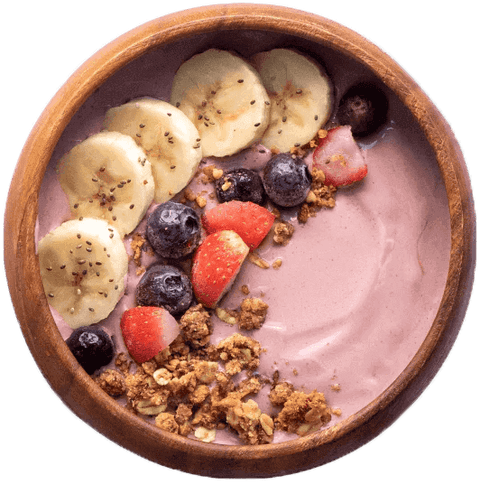
How can you maintain your body's health without resorting to complicated plans? Antioxidants make this much easier than you might think. These compounds, found in many foods, provide real support for the body's cells, helping them cope with the challenges of the day.
Discover here how antioxidants work, why you need them, and how you can include them more often in your family's diet!
What are antioxidants?
Antioxidants are compounds that protect cells from the effects of free radicals. Free radicals are unstable molecules that form both during natural processes in the body and as a result of external factors - such as smoking or pollution. When their quantity increases, cells can sustain damage.
By including antioxidants in your diet, you help your body maintain balance. For example, berries, leafy green vegetables, almonds, or walnuts provide a variety of antioxidants.
Free radicals and oxidative stress: what problems can arise?
Free radicals appear whenever you breathe, your digestive system processes food, or your body defends itself against infections. Exposure to pollution, UV radiation, stress, or smoking can stimulate their production.
When the concentration of these radicals exceeds the protective capacity of antioxidants, oxidative stress occurs. It affects cellular structure and can lead to damage, even if you do not notice symptoms right away. Problems associated with this imbalance include accelerated skin aging, loss of elasticity, a higher risk of cardiovascular disease, or metabolic disorders.
The importance of antioxidants becomes even clearer: they help neutralize free radicals and limit the effects of oxidative stress. For a quick snack with antioxidant potential, you can try fresh fruit or a seed mix, which can easily be incorporated into your morning routine or enjoyed between meals.
How do antioxidants work in the body?
Antioxidants have a clear mission: they intervene when free radicals begin damaging cells. They block negative reactions by donating an electron to free radicals, making them harmless. This way, your cells remain better protected and can function normally.
For example, vitamin C in red peppers or citrus fruits quickly neutralizes free radicals, helping the skin retain its elasticity. Vitamin E, found in almonds or sunflower seeds, acts on cell membranes. The body has its own defense mechanisms, but help from food makes a difference, especially during stressful or tiring periods.
What types of antioxidants exist and where can you find them?
Antioxidants are divided into different categories, each with examples and sources that can easily be found. Here are some of the best-known groups and foods you can add to your diet:
Antioxidant vitamins:
-
Vitamin C: red peppers, citrus fruits, kiwi
-
Vitamin E: almonds, raw seeds, vegetable oils
Antioxidant minerals:
-
Selenium: Brazil nuts, whole grains
-
Zinc: pumpkin seeds, lentils
Carotenoids:
-
Beta-carotene: carrots, pumpkin
-
Lycopene: tomatoes
-
Lutein: spinach, broccoli
Polyphenols:
-
Resveratrol: black grapes
-
Flavonoids: berries, apples, red onions
Antioxidants produced in the body:
-
Glutathione - naturally supports cellular protection
-
Example: Astaxanthin, an antioxidant naturally present in wild salmon or algae
What health benefits do antioxidants provide for cells?
A diet rich in antioxidants helps maintain the body's proper functioning. These compounds support skin elasticity, help the immune system fight infections, and may influence eye or brain health. Their benefits are also evident in reducing chronic inflammation and lowering the risk of cardiovascular disease.
Specific examples:
-
Carotenoids, such as the beta-carotene in carrots, support vision and protect light-sensitive tissues.
-
Vitamin E, together with polyphenols, contributes to the long-term protection of the nervous system.
-
Selenium and zinc obtained from whole foods or nuts help the immune system respond effectively to injuries or pathogens.
In your daily menu, you can add simple foods such as organic almond butter or protein bars with nut butter for quick snacks without unnecessary additives.
How to include antioxidants in your daily diet
Increase your antioxidant intake using a few easy tricks:
-
Create colorful dishes: choose at least 3 different colors for each meal, using vegetables, fruit, or fresh herbs.
-
Try healthy snacks: a handful of raw nuts or a protein bar made with nut butter provides vitamins and phytonutrients.
-
Use superfoods: goji berries, chia seeds, blueberries, or spinach increase the nutritional value of any dish.
-
Replace some processed sweets with dried fruit or fruit-and-nut mixes.
-
Explore new recipes and combine ingredients from different categories.
Additional tips:
-
Cook as simply as possible, preserving the color and texture of the vegetables.
-
Try a new recipe every week, choosing ingredients you have not thought of using.
Antioxidant supplements: when are they recommended and what are their limitations
It is better to base your diet on a varied range of foods rich in fruit, vegetables, nuts, and seeds. Antioxidant supplements are useful only in certain situations, such as:
-
Food allergies that limit the consumption of certain fresh foods;
-
Increased needs during illness or intense stress, but only on a doctor's recommendation;
-
Proven deficiencies of certain vitamins and minerals.
Consuming antioxidant supplements without expert advice can lead to imbalances. Some supplements may cause digestive problems or interact with prescribed medications for other conditions. Therefore, it is recommended that you consult a doctor or pharmacist before deciding to take antioxidant supplements.
Practical tips for every day
-
Enrich your menu with fresh or dried fruit instead of traditional desserts.
-
Add a salad of fresh vegetables and seeds to lunch or dinner.
-
Prepare smoothies with berries, nut butters, or fresh herbs for a quick snack.
-
Replace ordinary snacks with protein bars made with nut butters or raw blends.
If you have already tried ideas like these, share your opinion with us. The Bettr Food community values inspiration based on real experience!