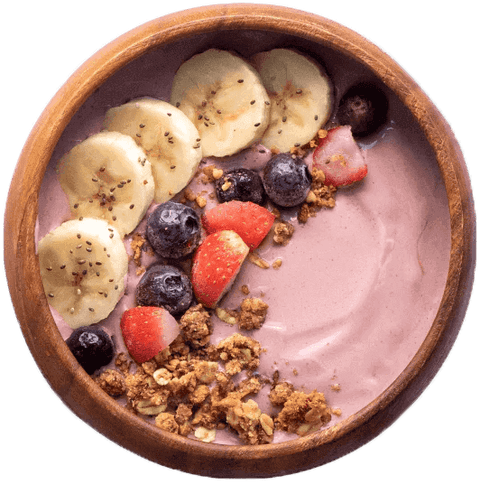
Breakfast determines your energy and good mood for the entire day. If you want to prepare something quick, protein-rich and sugar-free, protein pancakes will help you start the day with a smile. Cooking at home allows you to adapt the recipe to your tastes and needs - whether you aim to increase your protein intake, reduce sugar or add more variety to the table.
Why choose sugar-free protein pancakes?
A protein-rich breakfast gives you sustained energy and helps you feel full between meals. If you want to avoid unhealthy snacking or control your weight more easily, protein pancakes are an ideal choice. They also support muscle recovery, while the lack of sugar eliminates sharp fluctuations in blood sugar.
Children, athletes or anyone following a low-carbohydrate lifestyle can enjoy this recipe without feeling any compromise in flavor. The pancakes are also suitable for people with intolerances - there are gluten-free, dairy-free and vegan options. For example, if you are vegetarian, you can use plant-based protein powders or gluten-free oat flour.
Ingredients for sugar-free protein pancakes
For delicious pancakes, always start with quality ingredients. You can easily adjust any recipe according to what you have on hand or prefer.
Protein sources
Eggs provide the classic structure of pancakes. If you want to increase the protein content, add protein powder - for example, a strawberry and coconut blend adds extra flavor and contains no added sugar. For vegan options, you can choose protein powder made from peas, rice or plant-based blends.
Flours and nutritional alternatives
Replace regular flour with ground oat flour, almond flour or ground seeds. Oat flour adds fluffiness, almond flour provides a delicate aroma, while hazelnut flour adds fiber and density. For a distinctive flavor, sprinkle in one spoonful of mesquite powder - this gives you pancakes with a caramel note that are rich in fiber.
Natural sweeteners
Replace refined sugar with a very ripe banana, unsweetened applesauce or soaked dates. If you want a more controlled taste, use sugar substitutes such as erythritol or stevia, which do not raise blood sugar. You can also add natural flavors, such as vanilla or cinnamon.
For sweet toppings, look for sugar-free pudding mixes, such as organic chocolate pudding - it pairs wonderfully with a warm pancake for breakfast or a snack.
Suitable liquids
The liquid determines the texture. Plant-based milk (almond, oat, or coconut), kefir, or even mineral water affect the creaminess and airiness. Coconut milk adds a delicate flavor, while mineral water helps the pancakes stay fluffy. A little coconut oil or ghee prevents sticking to the pan.
If you want protein pancakes for a quick breakfast, try an organic gluten-free protein pancake mix! It contains gluten-free oat flour, pea protein, rice flour, quinoa, date powder, baking powder, and salt. This is a healthy, protein-rich solution for busy mornings.
Steps for the best protein pancakes
The pancake recipe has no difficult secrets, but the details make the difference. Follow each step to achieve excellent results every time.
Measure and mix the dry ingredients
Precisely measure the oat flour, protein, a pinch of salt, sweetener, and any spices. Mix well before adding the liquids to avoid lumps.
Prepare the liquid ingredients
Beat the eggs with a whisk, then gradually add plant-based milk or kefir. If using mineral water, add it at the end to control the consistency. If you have time, beat the egg whites separately for extra fluffiness.
Combine the ingredients
Pour the liquids over the dry mixture and stir gently with a whisk. Adjust the consistency so the mixture is like thinner yogurt. If it is too thick, it will be difficult to spread; if it is too thin, it will not hold its shape while cooking.
Let the mixture rest
Let the mixture rest for 5–10 minutes. Oats, almond flour, or hazelnut flour absorb liquid slowly - they need time to hydrate. Then check it and, if necessary, add 1–2 teaspoons of milk or mineral water.
Tip: use a whisk, not a fork, for better mixing. A hand mixer also works well if you want to save time.
Made from carefully selected organic plant-based ingredients, this mix provides complete plant-based proteins, with no gluten, no added sugar, and no unnecessary additives. Natural date sweetening adds a delicate sweetness, while the soft, fluffy texture makes every bite a pleasure.
Cooking pancakes - tips for success
Even with perfect batter, the cooking method matters. Follow these steps for pancakes with golden edges and a fluffy interior:
Heat the pan properly
Choose a nonstick pan and heat it well before making the first pancake. Grease it with a little coconut oil or ghee. If the pan is too cold, the pancakes will stick; if it is too hot, they will burn on the outside.
Pour and spread the batter
Use a ladle or large spoon to pour in the batter. Gently tilt the pan to spread the mixture evenly to a medium thickness.
Cook on both sides
Watch for bubbles on the surface - they are a sign that it is time to flip. The edges should set, and when the pancake does not stick as you lift it with a spatula - flip it. A well-cooked dessert does not crumble and looks appealing.
Adjust the heat
If the edges are browning too quickly - reduce the heat. Adjust the temperature between pancakes as needed.
For quick mornings - use just 2 eggs and a very ripe banana, with a pinch of cinnamon. Quick, tasty, and made without special ingredients.
Specific recipes for sugar-free protein pancakes
Sample variations that you can easily adapt using accessible ingredients:
-
Protein and oat pancakes
2 eggs
30 g rice protein powder
60 g oat flour
100 ml almond milk
a pinch of baking powder
Stir, add cinnamon for flavor, and cook over medium heat.
-
Banana + egg pancakes
Mash a ripe banana, mix with 2 eggs and a hint of cinnamon. Serve with Greek yogurt and fresh fruit.
-
Cottage cheese and vanilla pancakes
100 g low-fat cottage cheese
2 eggs
2 tablespoons oat flour
vanilla essence
If desired, add erythritol or stevia. Cook over low heat so the mixture does not burn, especially if the pancakes are thicker.
-
Almond flour and coconut pancakes
50 g almond flour
1 large egg
40 ml coconut milk
1 tablespoon plant-based protein powder
natural coconut or vanilla flavor
Cook for 1-2 minutes on each side. They have a distinctive aroma - they pair well with exotic fruits such as pineapple or mango.
-
Quick healthy toppings
Replace classic toppings with:
almond/peanut butter, unsweetened Greek yogurt, fresh berries, sliced banana, a thin layer of sugar-free caramel (carob) cream, walnuts, chia seeds, or hazelnuts - added immediately after removing the pancakes from the pan.
Serving recommendations and combinations
Protein pancakes pair wonderfully with plain yogurt or kefir, fresh fruit, and raw nuts. For a more elegant morning brunch, you can add a spoonful of strawberry or carob pudding as a sweet layer - giving you a delicious, healthy, sugar-free breakfast.
If you enjoy drinks - coffee or green tea complement the experience wonderfully. For special occasions - a glass of chilled prosecco also pairs wonderfully with pancakes, fruit, and nuts.
Practical tips and mistakes to avoid
Do not use a cold pan - heat it well from the start. Increase or decrease the amount of liquid depending on the flour you use. Do not overdo the protein powder - it can make the batter sticky. Do not stir vigorously - a lightly aerated mixture makes a lighter pancake. Serve the pancakes warm, immediately after removing them from the pan - for optimal texture.
Frequently asked questions
What is the basic simple recipe for sugar-free protein pancakes?
For 6–8 small pancakes: 2 eggs, 60 g oat flour, 20–30 g protein powder, 120–150 ml plant-based milk, 1 tsp baking powder, vanilla, and a pinch of salt. The consistency should be like slightly thinned yogurt. If needed, adjust with another spoonful of milk.
Which protein powder should I choose for good texture and flavor?
Whey protein adds fluffiness, casein provides satiety, and plant-based proteins from peas or rice are ideal for vegan or lactose-free diets. Try 20–30 g per recipe and experiment with flavors such as vanilla or cocoa.
How can I sweeten without sugar?
Use a very ripe banana, unsweetened applesauce, soaked and ground dates, or alternatives such as erythritol and stevia. Start with a small amount, then add more to taste.
How do I get fluffy pancakes that don't fall apart?
Let the batter rest for 5–10 minutes, add sparkling water at the end for aeration, don't overmix, cook over medium heat, and flip when bubbles appear on the surface and the edges firm up.
What should I do if the pancakes stick to the pan?
Heat the pan well, lightly grease it with coconut oil or ghee, cook over medium heat, and replenish the fat every 2–3 pancakes. The first one serves as a test for the right temperature.
How can I adapt the recipe to be gluten-free, lactose-free, or vegan?
Gluten-free - use certified gluten-free oats or almond flour. Lactose-free - use plant-based milk and dairy-free protein. Vegan - replace the eggs with 2 tablespoons of ground flax or chia seeds soaked in 6 tablespoons of water, and use plant-based protein.
What else can I eat to increase the protein per serving?
Add Greek yogurt or skyr, cottage cheese, extra egg whites to the batter, or another spoonful of protein powder. Protein-rich toppings increase satiety without adding much sugar.
How much protein is in a typical serving?
Depending on the recipe, 3–4 small pancakes from the basic version provide about 20–25 g of protein. If you add yogurt or extra protein powder, you can reach ~30 g of protein per serving.
How should I store and reheat the pancakes?
In an airtight container in the refrigerator, they keep for 3 days - separated with parchment paper. In the freezer - up to 2–3 months. Reheat them in a nonstick pan, a preheated oven, or - for small pancakes - in a toaster.
Which sugar-free toppings are suitable and don't add too many calories?
Plain yogurt, berries, banana slices, cinnamon, vanilla, sugar-free carob cream, raw nuts and seeds, added immediately after the pancakes are ready. Avoid sweet syrups and very heavy creams in large quantities.
Every day gives you the opportunity to try new combinations. Mix carob powder with vanilla, choose interesting toppings, or vary the texture with nuts and seeds. If you have children, let them choose their favorite ingredients for each preparation.