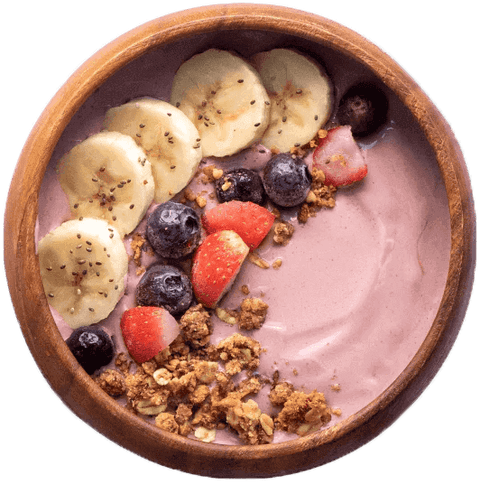
More and more people are choosing to try a plant-based diet - whether to feel better, improve their health, or make a positive contribution to nature and animals. If you are also considering switching to a vegan diet, you are in the right place. Here you will learn how to make the change without stress, what to include in every meal, and why this lifestyle can offer real health benefits. You will also find examples of foods, organizational tips, and useful resources for every stage of your journey.
Why do many people choose a vegan diet?
More and more people are adopting a vegan diet, usually motivated by a combination of the desire for better health, concern for the environment, and respect for animal life.
Nutritional benefits: A well-planned vegan diet is rich in fiber, vitamins, and antioxidants from vegetables, fruits, nuts, seeds, legumes, and whole grains. It limits saturated fat, which may support heart health and weight management. Giving up animal products often stimulates culinary creativity, opening the door to new flavors and textures - almond or oat milk, lentil or chickpea burgers, nut spreads, plant-based cheeses, and dairy-free desserts.
Environmental benefits: Veganism helps reduce the carbon footprint and conserve natural resources. Livestock farming requires enormous amounts of water, agricultural land, and feed. By avoiding these products, consumers indirectly reduce environmental damage and support more sustainable farming practices.
Ethical reasons: Many people view veganism as a personal mission to avoid exploiting animals, making values such as compassion and responsibility part of their daily lives.
For many, a vegan diet is not merely a way of eating - it is a way of life that combines everyday choices with a positive impact on health, the planet, and animal welfare.
What does a vegan diet include?

Photo: Shutterstock
Adopting a vegan lifestyle means excluding:
-
meat (including fish and seafood)
-
cheese, yogurt, cream, and animal milk
-
eggs
-
honey
-
additives of animal origin (such as gelatin or some food colorings).
The main difference from vegetarianism is that veganism excludes all products of animal origin. When shopping, it is important to read labels carefully and look for “vegan” labels or logos. Seemingly harmless products such as biscuits or pasta may contain hidden animal ingredients, so attention to detail is essential.
Of course, there are also safe and health-conscious alternatives - for example, biscuits made from 100% organic, vegan, and gluten-free ingredients, without palm oil, such as Kookie Kat Organic Pistachio Cookie.
Proven benefits of a vegan diet
Adopting vegan eating habits offers clear health benefits. The most commonly cited are:
-
Weight control: the high fiber content of vegetables, fruits, and whole grains helps maintain a stable weight.
-
Heart health: lower intake of saturated fats and higher intake of antioxidants can reduce cholesterol and the risk of cardiovascular disease.
-
Blood sugar balance: legumes and whole grains regulate blood sugar levels and reduce the risk of type 2 diabetes.
-
Better digestion: plant-based foods support gut health. For example, a chickpea salad at lunch provides both fiber and natural satiety.
How to gradually transition to a vegan diet?
You do not need to give up all animal products at once. The transition can be a gradual and enjoyable process that gives you time to discover new flavors and build new habits.
-
Start with one or two vegan days a week. These "green days" let you experiment without pressure. Try simple recipes such as cream soups, filling salads, or chickpea curry.
-
Replace animal products step by step. Use tofu, tempeh, seitan, lentils, or mushrooms instead of meat. Replace cow's milk with almond, oat, soy, or coconut milk. You can replace cheese with vegan alternatives made from cashews or almonds.
-
Add fresh and nutritious meals. Include plant-based smoothies, colorful salads with seeds and healthy dressings, as well as snacks such as dried fruit, nuts, or raw vegan bars.
-
Prepare creative lunch boxes. Ideas: whole-wheat pasta with lentil sauce, hummus rolls with raw vegetables and sprouts, or a salad with quinoa, avocado, and cherry tomatoes.
-
Adapt your desserts. Try vegan sweet treats such as chia pudding, avocado chocolate mousse, or banana ice cream.
💡 Tip: always keep basic products such as plant-based milk, tofu, and cooked legumes in the refrigerator - for quick and nutritious meals.
Essential food sources for a vegan diet

Photo: Shutterstock
For optimal energy and health, include the following every day:
-
Proteins: tofu, lentils, chickpeas, beans, seeds, almond or peanut butter (organic options are available, such as Bio Almond Butter).
-
Fiber and complex carbohydrates: whole grains (oats, quinoa, brown rice), fruits, and vegetables.
-
Omega-3, calcium, vitamins: fortified plant-based milks, flaxseed, sesame, nuts, and natural superfoods such as Bio Moringa Powder.
-
Healthy snacks: goji berries, raisins, raw nuts, dried fruit (for example, Bio Goji Berries).
Always combine a plant-based protein source with a variety of vegetables and grains to achieve a balanced diet.
Possible nutritional deficiencies: supplements to consider
Although a vegan diet is rich in healthy foods, improper planning can lead to deficiencies in certain nutrients. Supplements to consider include:
-
Vitamin B12: It is not naturally found in plants; supplements or fortified foods are essential.
-
Vitamin D, iron, iodine, zinc, omega-3 (EPA/DHA): Check the labels of fortified foods or consult a doctor about suitable supplements - especially if you experience fatigue or a weakened immune system.
💡 Monitor your health with regular blood tests and consult a medical professional to adjust your supplement intake according to your individual needs.
Long-term nutritional balance
A vegan diet can offer many benefits, but strategic planning is essential to avoid deficiencies. Since animal products are no longer included, it is important to pay more attention to the balance between macronutrients and micronutrients.
Planning a weekly menu
A well-balanced weekly menu should include the following every day:
-
Complete plant proteins through food combinations:
-
brown rice + lentils
-
chickpeas + whole-grain bread
-
quinoa (the only grain with a complete protein profile)
-
Fiber and complex carbohydrates for energy and good digestion: oats, barley, millet, sweet potatoes, root vegetables.
-
Healthy fats for absorbing fat-soluble vitamins (A, D, E, K): nuts, seeds (flax, chia, sunflower), avocado, extra-virgin olive oil.
-
Sources of calcium: fortified plant milks, calcium-set tofu, broccoli, kale, almonds.
-
Sources of iron: legumes, pumpkin seeds, spinach, dried apricots.
-
Vitamin B12: fortified foods or supplements.
-
Vitamin D: sunlight, fortified foods, or supplements.
-
Omega-3: ground flaxseed, chia seeds, walnuts, algae oil.
Example of a short weekly plan:
-
Monday:
-
Breakfast - smoothie with oat milk, banana, berries, ground flaxseed, and soaked chia seeds.
-
Lunch - chickpea curry with brown rice.
-
Dinner - quinoa, avocado, broccoli, and tofu salad.
-
Tuesday:
-
Breakfast - oatmeal with almond butter and dried fruit.
-
Lunch - rice-paper roll with hummus and raw vegetables.
-
Dinner - red lentil stew with sweet potato.
…and so on for the remaining days, alternating different protein sources and a variety of vegetables.
Food combinations for better nutrient absorption
The body does not always fully absorb nutrients - combining foods correctly helps improve absorption.
-
Iron from plant sources + vitamin C: Iron from spinach, lentils, or chickpeas is better absorbed with vitamin C (peppers, citrus fruits, kiwi).
Example: spinach salad with red pepper and lemon juice. -
Calcium + vitamin D: fortified soy milk is more effective when vitamin D levels are sufficient.
Example: a cup of soy milk at breakfast + 15–20 minutes of sun exposure. -
Healthy fats + fat-soluble vitamins (A, D, E, K):
Example: grated carrots with olive oil. -
Legumes + whole grains: together provide complete proteins.
Example: black beans with whole-grain corn tortillas.
Bioavailability and the best ways to consume foods
Bioavailability = the amount of a given nutrient that the body can absorb and use. With a vegan diet, pay attention to the following:
-
Flaxseed must be ground; otherwise, it remains undigested.
-
Soaking or sprouting chickpeas/lentils reduces the phytate content that blocks mineral absorption.
-
Spinach contains oxalates, which interfere with iron absorption - alternate it with kale or broccoli.
-
Cooked tomatoes release more bioavailable lycopene than raw ones.
-
Soaking almonds or walnuts overnight makes digestion easier and improves the absorption of their nutrients.
How to choose healthy vegan products when shopping
Not every vegan product is automatically healthy. Some processed foods contain a lot of sugar, fat, or additives. For smarter shopping:
-
Check the ingredient list - choose short and clear formulas.
-
Choose certified organic products, superfoods, and plant-based alternatives.
-
Cook at home more often - homemade hummus, soups, or vegetable burgers give you control over the quality.
How to handle social situations and challenges related to veganism

Photo: Shutterstock
Family dinners or gatherings with friends do not have to be a problem. If you are going to a barbecue or festive meal, let them know in advance and bring your own vegan dish - lentil meatballs, quinoa salad, dips, or almond-based desserts. Traditional recipes can also be adapted into plant-based versions: cabbage rolls with mushrooms or a vegan Easter “cheesecake” with tofu.
For a quick dessert at dinner, mix oats with almond milk, add fresh fruit, and sprinkle with goji berries or raw nuts.
Embrace the challenge, experiment, and enjoy the variety that plant-based eating offers.
Conclusion
A vegan diet can be extremely satisfying if you choose a variety of foods, read labels carefully, plan your meals, and communicate openly during family or social gatherings. Try new recipes, vary your snacks, and be open to experimenting - this way, you will discover unique and delicious plant-based dishes.