The gluten-free diet is attracting increasing interest - both for managing health conditions and for people who want to try a different lifestyle. If you want to make this change correctly and confidently, it is important to understand the basics: which foods to choose, which steps are essential, and what to pay special attention to. Use this guide to avoid common mistakes and make the right decisions for your health.
What is gluten and where is it found?
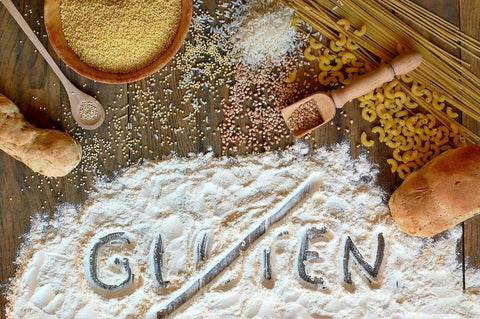
Gluten is a natural protein found in wheat, rye, and barley, as well as in many foods made from these grains. Bread, pasta, pastries, some types of beer, and sauces may contain gluten. It gives dough elasticity, which is why baked goods have their characteristic texture.
Many processed foods also use gluten as a thickener - it may be found in sausages, instant soups, or packaged pastries.
Oats are naturally gluten-free, but they may be safe to consume only if labeled "gluten-free," because contamination during processing is common.
Who needs a gluten-free diet?
Not everyone needs to avoid gluten. For people with celiac disease, a gluten-free diet is mandatory after diagnosis. Celiac disease triggers an immune response to gluten, leading to inflammation and digestive problems. Symptoms may include bloating, cramps, fatigue, or weight loss.
Some people experience gluten intolerance without having celiac disease, which also causes digestive discomfort even though celiac disease tests are negative. Wheat allergy is a different condition - it can lead to serious allergic reactions, but it is rare.
Always consult a doctor or nutritionist before making major changes to your diet. The correct diagnosis will help you avoid unnecessary restrictions or complications.
How to start a gluten-free diet: essential steps

Photo: Shutterstock
-
Consult a doctor or nutritionist. Seek professional advice before eliminating gluten. Only a specialist can confirm whether you need this diet and how to follow it safely.
-
Identify foods containing gluten. Read product labels carefully. Gluten is hidden not only in bread and pasta, but also in sausages, sauces, or snacks. For example, instant soups or some bars may contain gluten as a thickening agent. On bettr-food.com/ro you will find a wide variety of gluten-free products – from biscuits and bars to organic baking mixes (such as Organic Brownie Mix) and nut butters.
-
Organize your kitchen. Use clean utensils and separate cooking areas. Even small amounts of gluten can trigger reactions in people with celiac disease, so clean surfaces thoroughly and do not mix gluten-free and standard products.
How to gradually switch to a gluten-free diet
Switching to a gluten-free diet should be done step by step to avoid digestive problems and imbalances.
-
Do not eliminate all gluten at once! Sudden elimination can lead to digestive discomfort and make it harder to maintain balanced meals. Start with small changes: during the first week, replace wheat bread with rice, buckwheat, or amaranth bread without changing the rest of your menu. After 1–2 weeks, switch to pasta made from corn, quinoa, or lentils. Then replace gluten-containing snacks (biscuits, breadsticks) with certified gluten-free crackers or biscuits.
💡 Tip: try Bett’r organic gluten-free cookie box! -
Maintain a high fiber intake! Grains such as wheat and rye are rich in fiber, and eliminating them can lead to constipation. To avoid this, add safe sources: black quinoa, certified gluten-free oats, chia, buckwheat, lentils, peas, and beans. Combine them with fresh vegetables and green salads for good digestion and satiety. Fiber also helps stabilize blood sugar - especially important when making dietary changes.
-
Introduce new foods gradually. A common mistake is to replace everything with industrial “gluten-free” products, which are often high in sugar or fat. Instead, introduce one new ingredient per week to observe how your body reacts: week 1 – quinoa, week 2 – millet, week 3 – amaranth. This way, you diversify your diet without overloading your system.
-
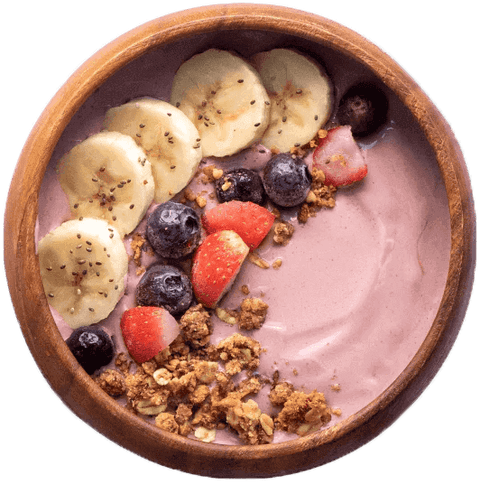
Support your gut microbiome. Eliminating gluten can affect the balance of your gut. Add probiotic foods such as natural yogurt, kefir, or naturally fermented pickles, as well as prebiotics such as bananas, asparagus, garlic, and leeks. This combination supports digestion, strengthens the immune system, and reduces discomfort.
-
Track your progress. Keep a food diary in which you record what you eat and how you feel. Monitor symptoms such as bloating, fatigue, constipation, or diarrhea and link them to specific foods. This will help you adjust your diet and provide valuable information to a doctor or nutritionist.
Foods to avoid and safe alternatives

Avoid all foods that contain wheat, barley, rye, and their derivatives. Don’t think only of bread and pasta - many savory and sweet snacks also contain them.
Instead, choose:
-
gluten-free grains: rice, quinoa, buckwheat, millet, amaranth
-
fresh fruits and vegetables
-
unseasoned meat, fish, eggs, and dairy products
-
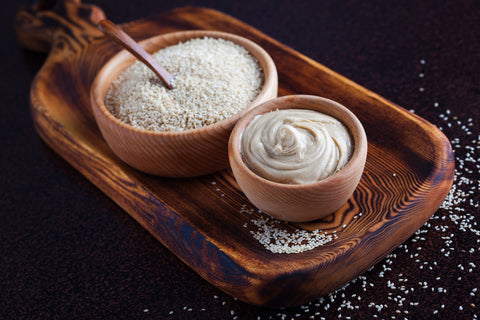
seeds and nuts (you can include products such as Hazelnut Butter Choco Crush or Organic Almond Butter)
If you like oats, buy only certified “gluten-free” varieties to avoid cross-contamination. For snacks or bread substitutes, look for gluten-free crackers and breadsticks.
Nutritional aspects and possible risks
A gluten-free diet can sometimes lead to deficiencies in vitamins and minerals (iron, calcium, vitamins B, D, E, and A), especially if you rely only on processed foods or white rice flour. Fiber intake also often decreases, which can affect digestion. To maintain balance, include legumes, nuts, organic goji berries, and other antioxidant-rich superfoods.
Some people may also develop lactose intolerance or changes in their gut flora after switching to a gluten-free diet. Monitor your health carefully and consult a doctor or nutritionist regularly.
Myths about the gluten-free diet
Many people believe that eliminating gluten helps with weight loss, but this is not necessarily true. Processed gluten-free foods often contain the same amount of calories, sugar, and fat as their standard alternatives.
Research shows that there are no additional health benefits for people without celiac disease or gluten sensitivity. In fact, eliminating gluten without medical reasons can lead to nutritional imbalances.
Be cautious about claims online or advice passed by word of mouth. Rely on trustworthy sources and consult a specialist before changing your diet.
Conclusion
A gluten-free diet is most suitable for people with a medical diagnosis or a confirmed allergy. If you suspect an intolerance, seek appropriate testing and guidance from a specialist. Do not start the diet on your own. Monitor your health, have regular checkups, and make changes only under professional supervision.
This article is for informational purposes only and does not replace medical advice. For any decisions related to your health or changes to your diet, consult a doctor or nutritionist.