Already valued in many cultures, tahini is quickly becoming a staple for everyone interested in balanced nutrition or simply looking to add variety to their daily menu. If you have ever wondered what this beige paste is, where it can be used, and why so many home cooks are talking about it - you have come to the right place.
What is tahini?
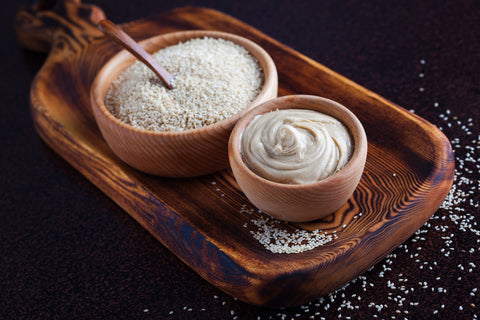
Imagine tahini as a hidden treasure in tiny sesame seeds. It is a smooth paste made from carefully ground seeds, sometimes with a pinch of salt for balance. Its texture is reminiscent of peanut butter, but it has a character of its own: velvety, rich, and with a subtle nutty flavor.
Its color can be a pleasant surprise: from light and delicate cream when made from white sesame seeds, to warm brown shades when whole or roasted seeds are used. Each variety tells its own story on the plate.
On the shelves, you will find white sesame tahini - smooth, light, and delicate - or whole-seed tahini, with a deeper flavor and a slightly bitter nuance. The preparation process is simple but careful: the seeds are selected, lightly roasted or left raw, and then ground into a creamy paste. The best nut butters are 100% natural, with no additives, preserving their authentic flavor and unique sesame aroma.